









test

0
-
-
-
Categories
-
-
-
-
-
-
-
-
-
-
-
-
-
-
-
-
-
-
- Akumulatory do bandownic
- Akumulatory do drukarek
- Akumulatory do foteli
- Akumulatory do stroboskopów
- Batteries for roller shutters
- Camera batteries
- Control device
- Diagnostic devices
- Flashlight batteries
- Gas nailers
- Geodetic devices
- Maszynki do strzyżenia
- Medical equipment
- Mop Batteries
- Mower batteries
- Thermal imaging cameras
- Welding accessories
-
-
-
-
-
-
-
-
-
Bicycles
- A2B
- Acecycles
- AEG
- Ansmann
- BionX
- BMZ
- Bulls
- Chilwee
- Clean Air
- Cleantron
- Derby
- Di Blasi
- Easy Motion
- Ecobike
- Fischer
- Gazelle
- Giant
- Grace
- Guru
- Heinzmann
- Hercules
- Kalkhoff
- Karcher
- Leaos
- Maratron
- Mate
- Matrabike
- MiFa
- NCM
- Panterra
- Phylion
- Prophete
- Protanium
- Qwic
- Sachs
- Samsung
- Sparta
- Stromer
- Suntour
- Sushi
- Telefunken
- Tianneng
- TranzX
- Triride
- Urban Mover
- Xiaomi
- Xion
- Yamaha
- Forklifts
- scooters
- Segway
- Skateboards
-
Bicycles
-
-
-
-
-
-
-
-
-
-
-
-
-
-
-
-
Kategorie
-
-
-
Featured
-
-
-
-
-
-
-
-
-
Kategorie
-
-
-
Featured
-
-
-
-
-
-
Latest posts
-
-
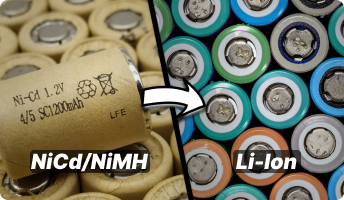 Dlaczego nie warto przerabiać akumulatorów NiCd/NiMH na Li-ion?
Artykuł wyjaśnia, dlaczego przerabianie akumulatorów NiCd i NiMh na Li-ion w elektronarzędziach często nie ma sensu...
-
 MEMORY EFFECT – TRUTH OR FICTION?
The so-called battery memory effect, often referred to as “cycle memory”, was traditionally described as a phenomenon...
-
 WHAT TO DO WHEN YOUR LAPTOP BATTERY REFUSES TO CHARGE
Wielu użytkowników laptopów spotyka się z sytuacją, w której bateria przestaje się ładować, system nie pokazuje jej...
-
 BATTERY CAPACITY LOSS – WHY DOES MY BATTERY LAST ONLY 10 MINUTES?
Does your laptop battery last barely 10 minutes? Does moving the laptop from one room to another require you to...
-
 WHAT IS THE DIFFERENCE BETWEEN A BATTERY AND A RECHARGEABLE ACCUMULATOR?
Batteries and rechargeable accumulators are an essential part of modern life. Każdego dnia używamy urządzeń...
-
 HOW TO REGENERATE A LAPTOP BATTERY – PART I
Regenerating a laptop battery is far more complex than it may initially seem. It requires precision, technical...
-
 HOW TO REGENERATE A LAPTOP BATTERY – PART II
Regenerating a laptop battery may sound simple, but in practice it requires precision, technical awareness and a...
-
 BATTERY CHARGERS
Choosing the right battery chargers increases the performance and lifespan of a battery. Selecting an unsuitable...
-
 LENOVO POWER MANAGER
Program komputerowy firmy Lenovo o nazwie Power Manager jest świetnym programem do zarządzania energią w laptopach....
Blog categories
Search in blog
Archived posts
BATTERY CAPACITY LOSS – WHY DOES MY BATTERY LAST ONLY 10 MINUTES?
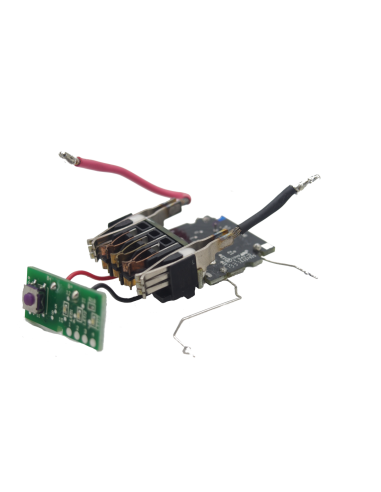
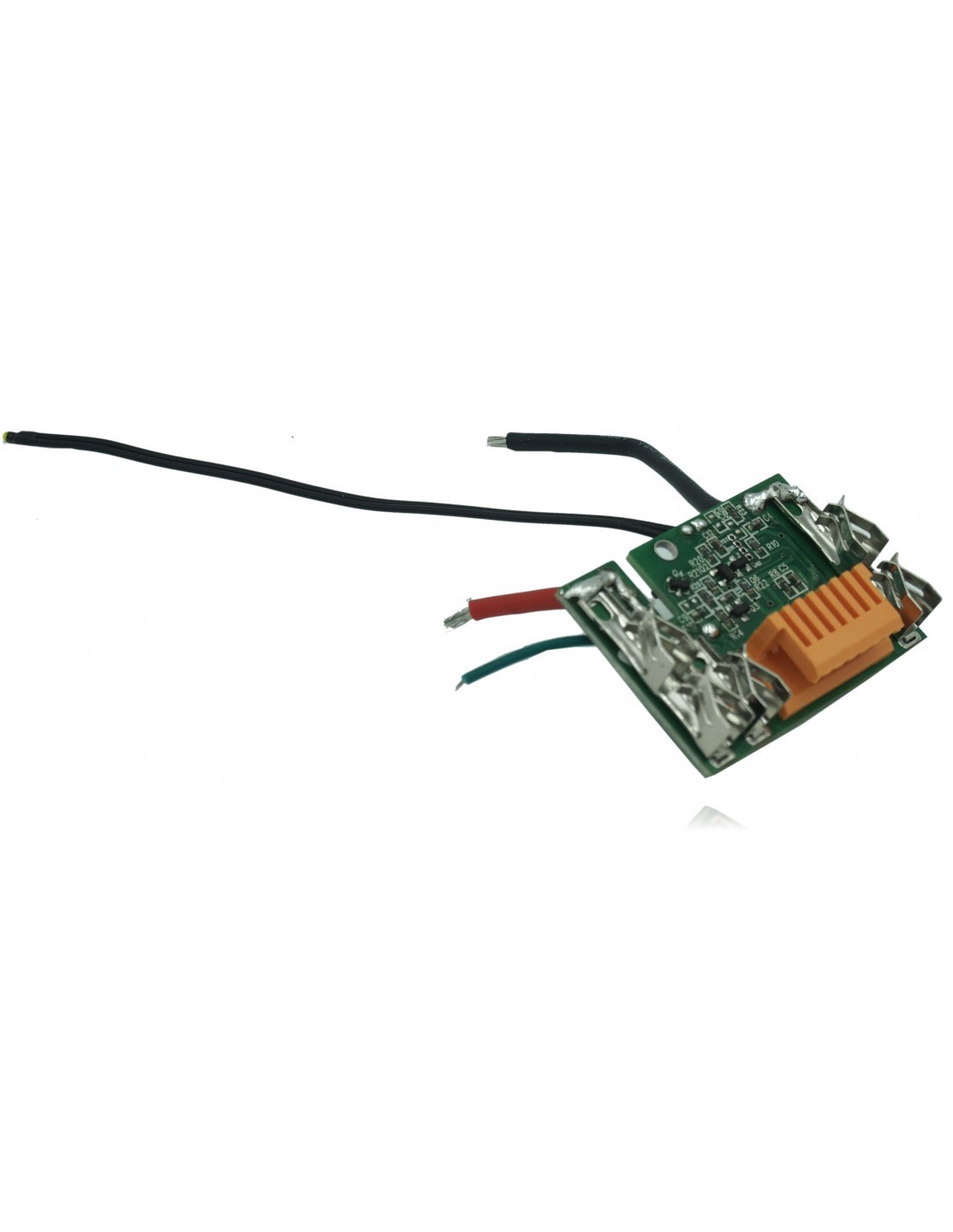
Laptop batteries consist of two main components: an electronic control board and a set of cells. The electronic circuitry is responsible for charging and discharging the battery, and it communicates with the laptop through the SMBus interface. Through this communication channel, the laptop receives all necessary data — such as temperature, voltage, remaining capacity, and safety parameters. Based on this information, the laptop either accepts the battery as fully functional or rejects it entirely.
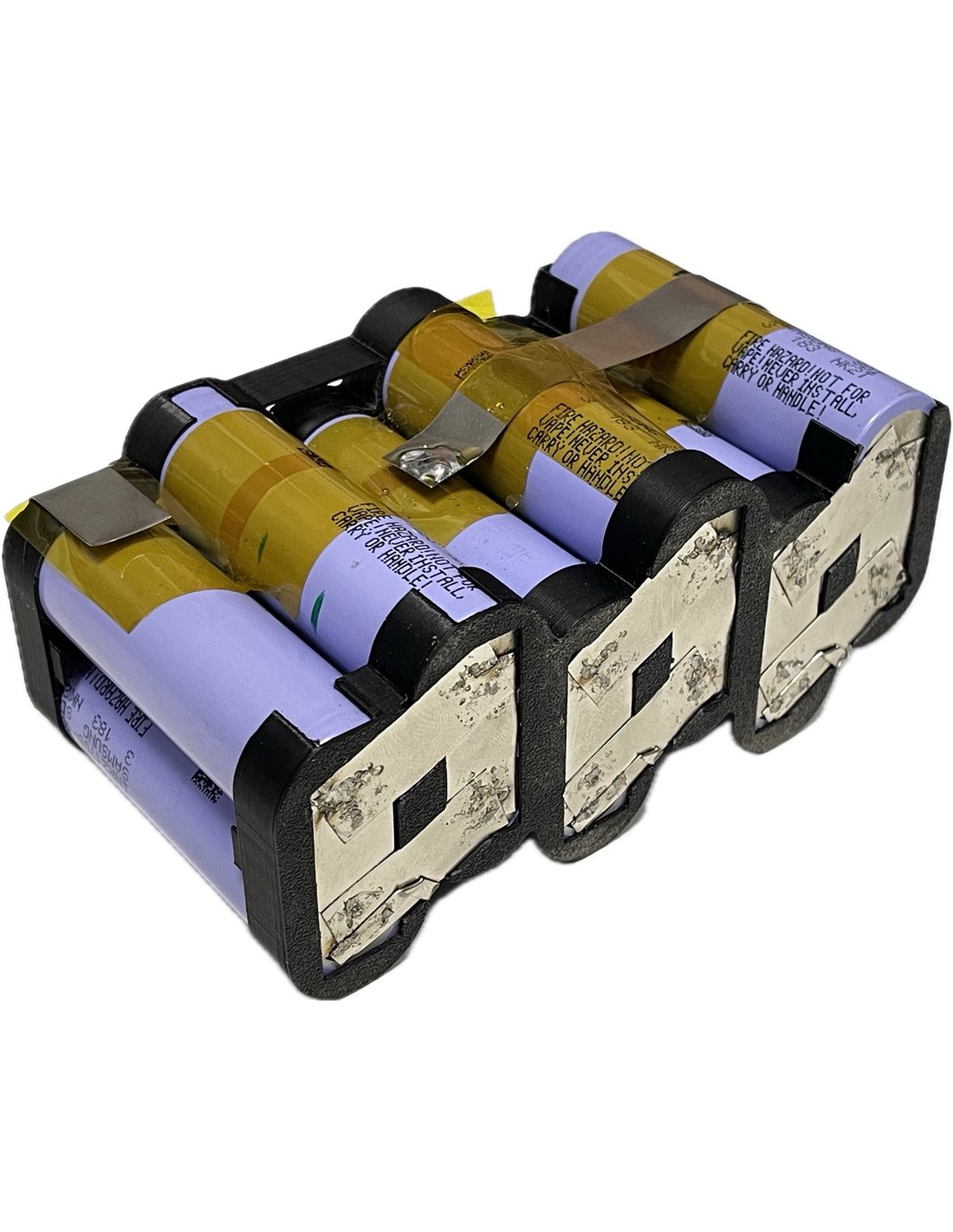
The second component of every battery is the set of cells, usually lithium-ion. These cells store energy and provide power to the laptop. Their most important parameters are: – nominal voltage – capacity – internal resistance The last element — internal resistance — is key in understanding why battery capacity decreases with age.

(Lithium-ion cells with an electronic control board inside a laptop battery)
Brand-new lithium-ion cells have very low internal resistance. This means the voltage drops slowly during normal use, from a full charge (4.2 V per cell) down to the emergency low-voltage point (around 3.4 V). When the voltage reaches this threshold, the battery’s controller signals the laptop that the battery is nearly discharged.
As the battery ages, the internal resistance of the cells increases. Even if the battery is fully charged, the voltage may drop immediately under load, triggering a premature “low battery” warning. This is why an old battery may drop from 100% to 5% in seconds and shut down shortly after.
The increase in internal resistance is a natural chemical process — it happens in all lithium-ion cells regardless of the manufacturer or the laptop brand. Unfortunately, there is no method to reverse this process. In other words: nothing can stop a battery from aging. Proper maintenance may slow degradation slightly, but no technique can restore a worn-out cell to its original condition.
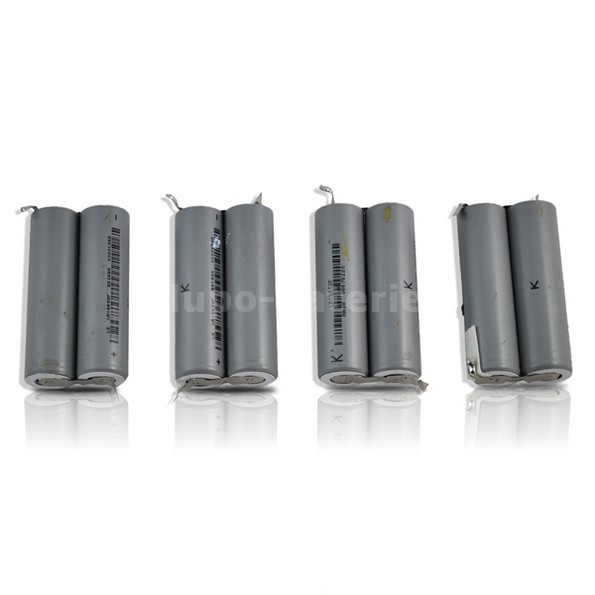
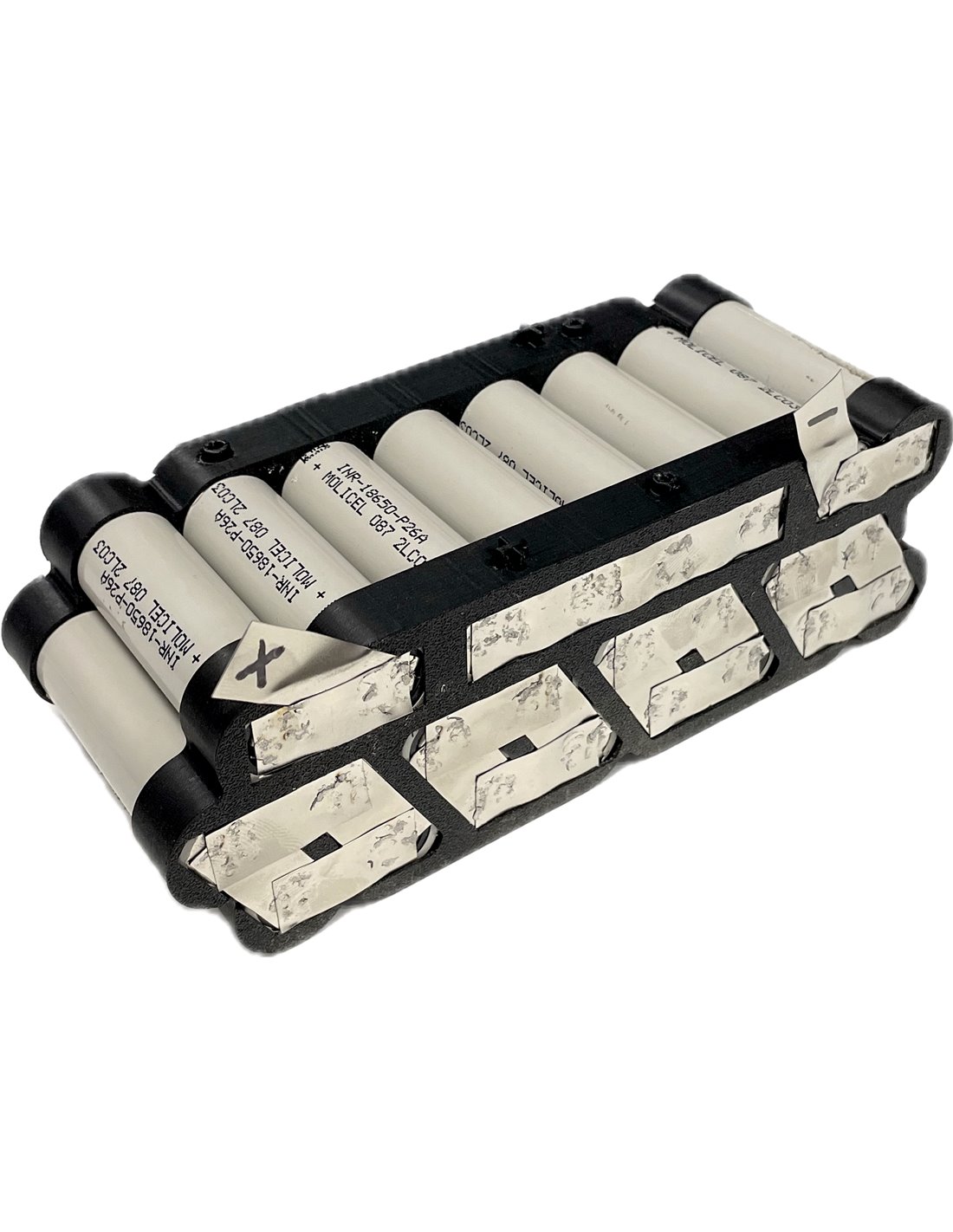
(Lithium-ion cells arranged in parallel pairs inside a battery pack)
Posted in:
Ciekawostki związane z bateriami
Related posts
-
BATTERY CHARGERS
Choosing the right battery chargers increases the performance and lifespan of a battery. Selecting an unsuitable...Read More
-
HOW TO REGENERATE A LAPTOP BATTERY – PART I
Regenerating a laptop battery is far more complex than it may initially seem. It requires precision, technical...Read More
-
WHAT IS THE DIFFERENCE BETWEEN A BATTERY AND A RECHARGEABLE ACCUMULATOR?
Batteries and rechargeable accumulators are an essential part of modern life. Każdego dnia używamy urządzeń...Read More
-
WHAT TO DO WHEN YOUR LAPTOP BATTERY REFUSES TO CHARGE
Wielu użytkowników laptopów spotyka się z sytuacją, w której bateria przestaje się ładować, system nie pokazuje jej...Read More
-
MEMORY EFFECT – TRUTH OR FICTION?
The so-called battery memory effect, often referred to as “cycle memory”, was traditionally described as a phenomenon...Read More
Leave a comment