











test



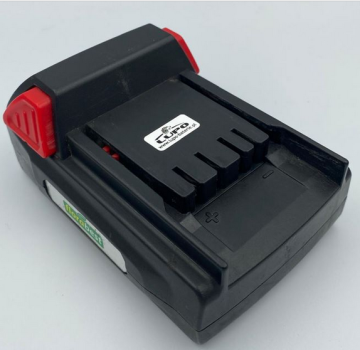
Lithium-ion batteries used in garden power tools are the heart of the entire system. They determine how long we can work with a trimmer, hedge cutter or chainsaw. In the case of the Florabest brand, which for many years was Lidl’s flagship line of garden tools, the battery topic is especially interesting because the system has already been discontinued and replaced by Parkside. In this article we take a closer look at the construction of Florabest 18V batteries, their most common problems and the possibilities of regeneration.
From Florabest to Parkside: a short history of Lidl’s system
Florabest was Lidl’s own brand, under which garden power tools such as lawnmowers, trimmers, hedge trimmers and saws were sold. The main advantage of the system was its universality: one battery fit many devices, which significantly reduced costs and increased convenience.
Florabest batteries were mainly available in 1.5Ah and 2.0Ah versions, with the weaker variant marked MOCA-LR32-250-15N and the stronger one MOCA-V18. They used five lithium-ion cells (5S layout), which provided a working voltage in the range of 15V (fully discharged) – 21V (fully charged).
Florabest equipment was very popular, especially in France, mainly because of its low price and wide availability. Over time, however, Lidl decided to discontinue the line and replace it with the more modern Parkside 20V Team, which now dominates the market, offering greater compatibility and better spare parts availability.
Why did Lidl switch from Florabest to Parkside?
- Wider product range – Parkside includes not only garden tools but also workshop tools, creating one consistent system for hobbyists and DIY enthusiasts.
- Greater compatibility – Parkside 20V Team batteries are interchangeable between many devices, both garden and workshop. Florabest was mostly limited to garden tools.
- More modern batteries – Parkside batteries use higher quality, higher capacity cells and more advanced protection circuits, making them more durable and efficient.
- Parts availability – while Florabest has disappeared and spares are hard to find, Parkside continues to grow and Lidl regularly sells its batteries and chargers.
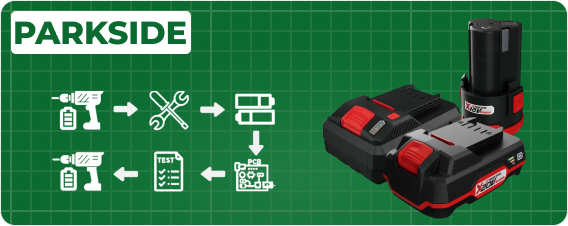
Currently Parkside batteries are available in a wide range of capacities – from 2.0Ah up to the powerful 8.0Ah version built on 21700 cells, equipped with Bluetooth for battery status monitoring and management.
PCM protection module in Florabest 18V Li-ion battery — technical analysis
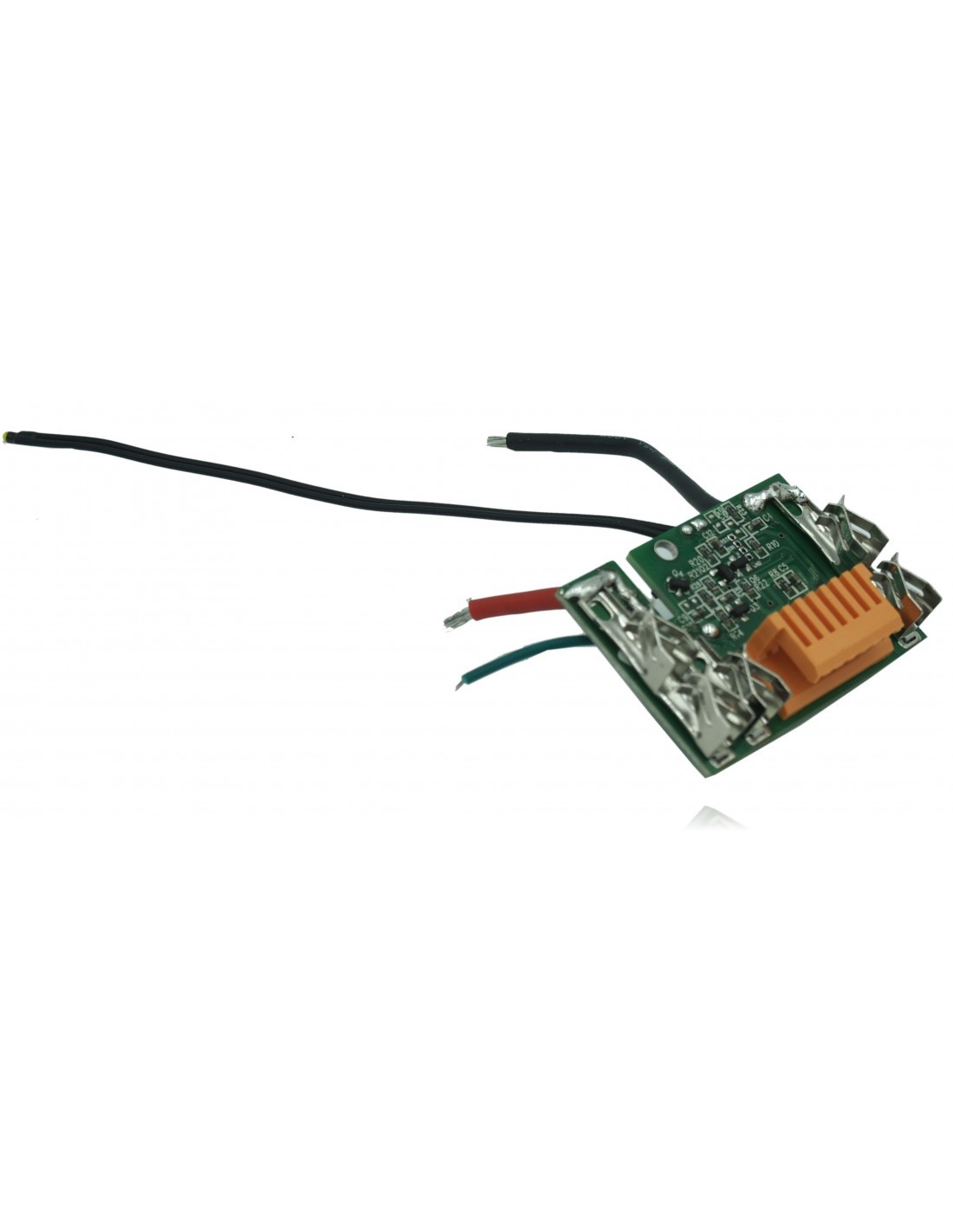
The printed circuit board (PCB) shown in the photos is a PCM (Protection Circuit Module) designed for a five-cell lithium-ion pack connected in series (5S), nominal voltage 18V (about 21V when fully charged). This is a typical protection system used in garden tools, which does not manage the battery as a system but ensures basic user safety.
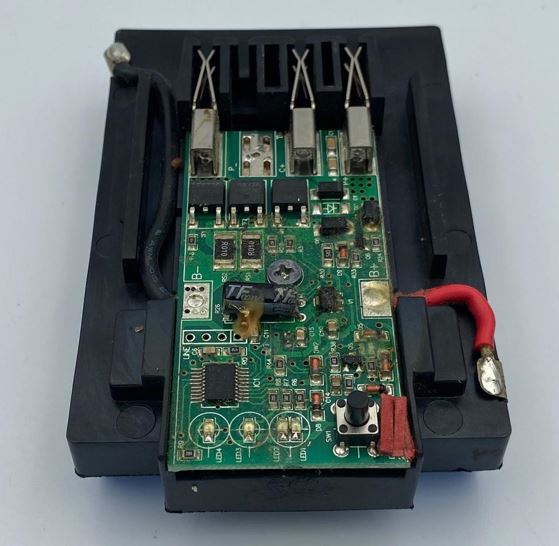
PCM board in Florabest 18V battery – visible MOSFET transistors and R010 shunt resistors.
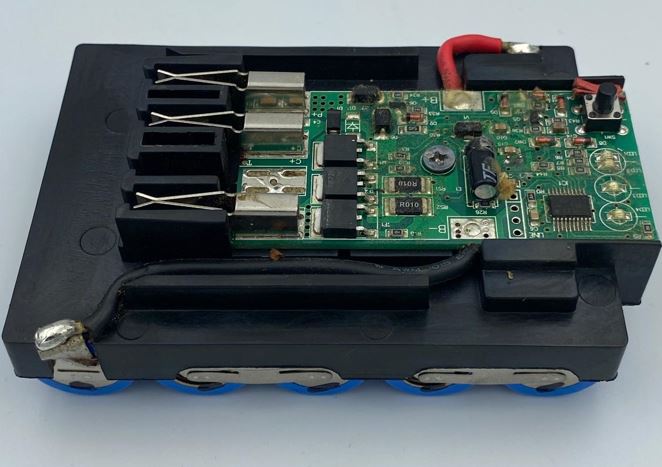
Main functions of the module:
- Overcharge and deep-discharge protection – PCM monitors the voltage of each of the five cells. Exceeding the threshold (approx. 4.25V for overcharge, 2.5V for discharge) results in immediate disconnection from load or charger.
- Current and short-circuit protection – two low-resistance shunts (R010, 10 mΩ) detect current overload. The system can react within 1 ms by switching off the MOSFETs.
- Cell balancing – passive balancing is used, triggered above a certain cell voltage. Excess energy is dissipated as heat through resistors (e.g. R25, R26, R27), controlled by SMD transistors.
- Control IC – likely a dedicated PCM controller (e.g. DW01, S8254A or BQ7721), with integrated voltage dividers, comparators and timers for threshold handling.
Other protective and passive components:
- Zener and TVS diodes for ESD and surge protection,
- ceramic and electrolytic capacitors for supply filtering,
- N-channel MOSFETs (around 30V/40A) working back-to-back for full isolation of charge/discharge paths.
Connectors & interface – the board has four solid connectors to the cell busbars plus main power wires (+/−), confirming the PCM is integrated inside the battery case.
User components – a button (SW1) may serve as reset or wake-up, while LED1–LED4 allow connection of charge-level indicators. No MCU, EEPROM or comms interface are present – confirming it is not a full BMS.
The PCM used in Florabest 18V batteries is a solid protective module that provides the minimum safety required for lithium-ion packs. Thanks to MOSFETs, shunt resistors and passive balancing, the pack is reasonably safe, even without advanced diagnostics or communication features.
Most common failures and their causes
Although Florabest batteries are well made and protected by PCM, users often report failures. In most cases these result not from the electronics themselves but from poor handling and storage.
Moisture damage
By far the most common problem. Garden tools are often left outside, allowing rain and humidity to enter the battery, leading to corrosion and short circuits. This is the #1 issue seen in service centers.
Extreme temperatures
Winter – leaving the battery in a cold shed or garage leads to deep chilling. Below 5°C cells lose performance, and charging becomes unsafe.
Summer – direct sun causes chemical degradation and shortens life expectancy.
The battery should always be stored in a dry, temperate place.
Discharge below threshold
Florabest batteries work between 15V (empty) and 21V (full). If discharged below 15V, the charger will not restart charging, and the PCM may permanently block the pack.
Poor-quality original cells
Florabest used low-cost Chinese cells (Tianpeng), with much lower life cycle and performance than Samsung or LG. After a few seasons, runtime decreased even with correct use.
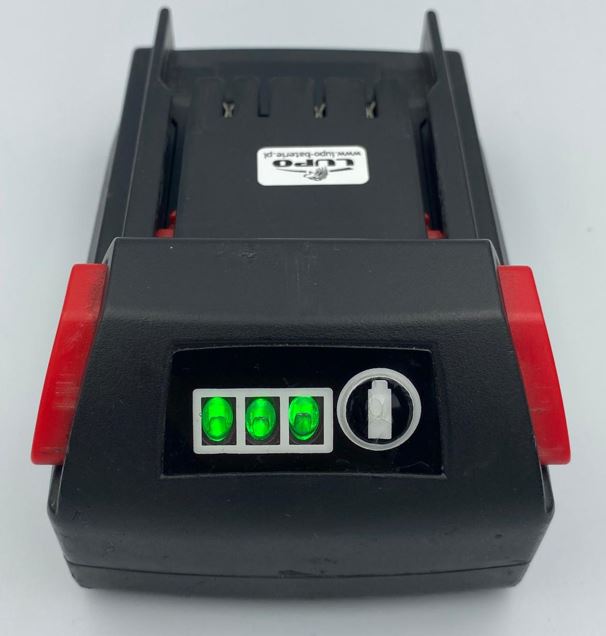
Charge level indicator in Florabest battery
Florabest adapters? Why it’s a bad idea
On the market we increasingly see battery adapters allowing batteries from one brand to be used in another brand’s tools. In theory this sounds attractive, e.g. using Florabest packs in Parkside, Makita or Bosch. In practice it is risky.
Different voltage ranges and profiles
Each tool system is designed for its own battery parameters. Using Florabest with an adapter may discharge the pack below 15V, after which the charger won’t restart. PCM will lock the pack as faulty.
No communication with the tool
Modern batteries often communicate with the tool (temperature, SOC, faults). Florabest PCM has no BMS functions, so the device gets no feedback. This risks overload and overheating.
Safe solution
Florabest batteries should be used only in the tools they were designed for. Adapters may seem tempting but usually lead to quick failure.
Battery regeneration
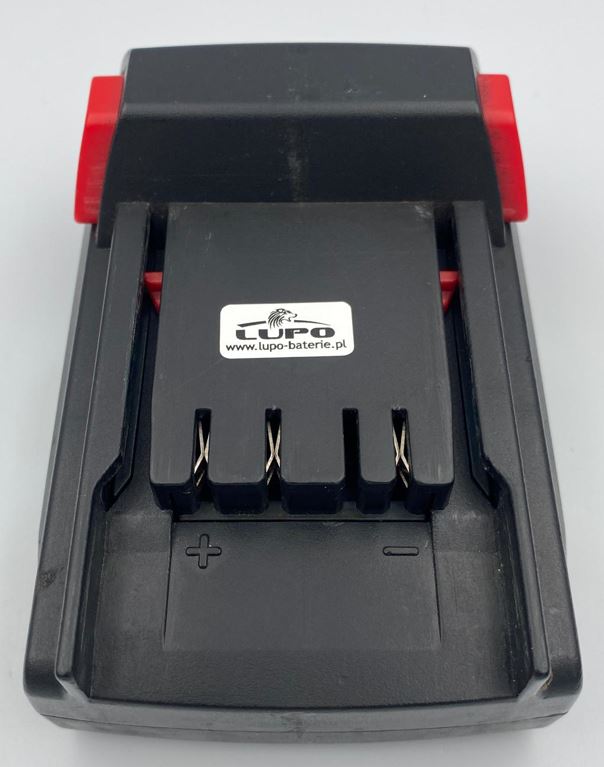
Although Lidl no longer sells Florabest, many older tools are still in use. This makes Florabest battery regeneration an attractive option for users wanting to extend tool life.
How regeneration works
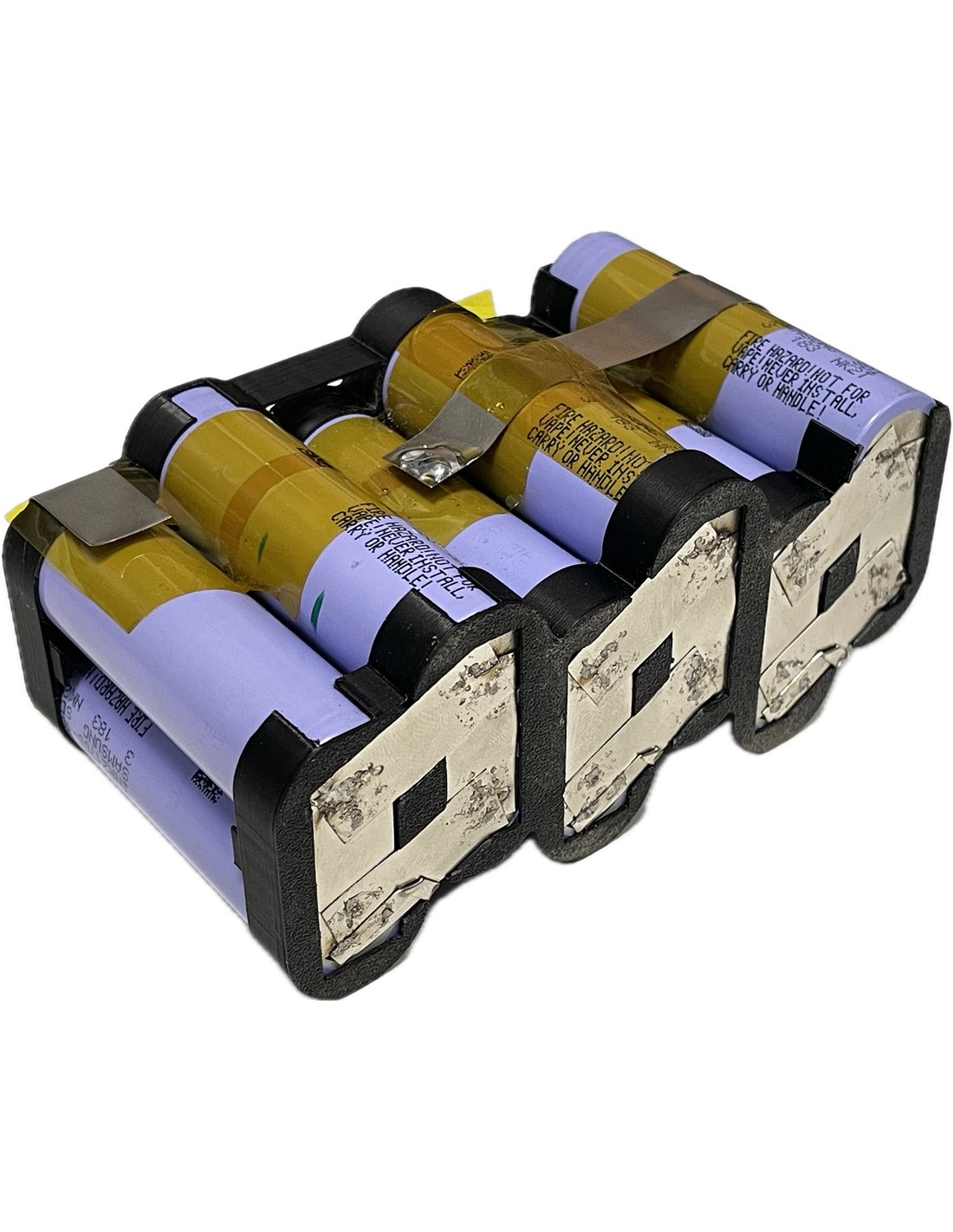
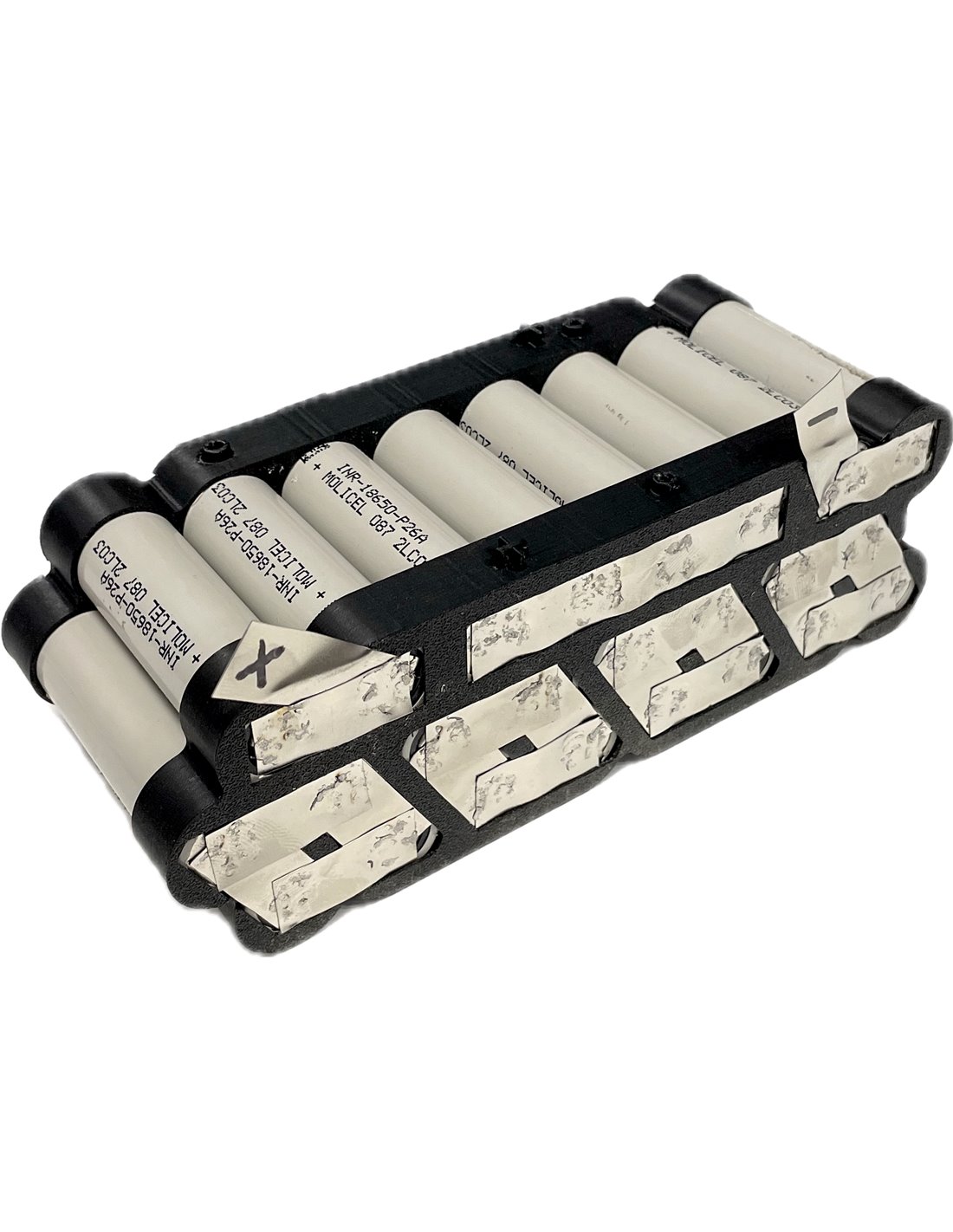
Regeneration means replacing old, worn-out cells with new high-drain ones. Typically Florabest batteries are renewed to 2.0Ah, using:
- Samsung 20R – high-drain cells (up to 22A), ideal for demanding tools,
- Samsung 25R – premium cells, 2.5Ah with strong 20A discharge capacity.
With these cells, the renewed pack not only regains full performance but often surpasses the original, which used cheaper Chinese cells.
What about the charger?
If the original charger is damaged, no need for rare, expensive replacements. Any 5S 21V charger will do, available online at low cost. Just connect to +/− terminals with correct polarity.
Why regeneration pays off
- It costs much less than buying into a new battery system,
- Lets users keep using their Florabest tools,
- New cells extend runtime and lifespan, often improving performance over original packs.
Don’t throw it away — extend the life of your Florabest battery with regeneration.
Battery regeneration is an ecological and cost-effective solution. We replace old cells with branded Samsung ones, restoring full power and runtime.
Leave a comment